




 login
login








Search Results by Category
 AI Navigator
All information related to {{ key_word }}.
AI Navigator will guide you. Click here for information about {{ key_word }}.
Images
 2
2
Scalable AS/ADAS solutions
 6
6
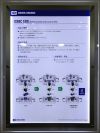
Global Scalable Blake Control (GSBC) EBS
 3
3
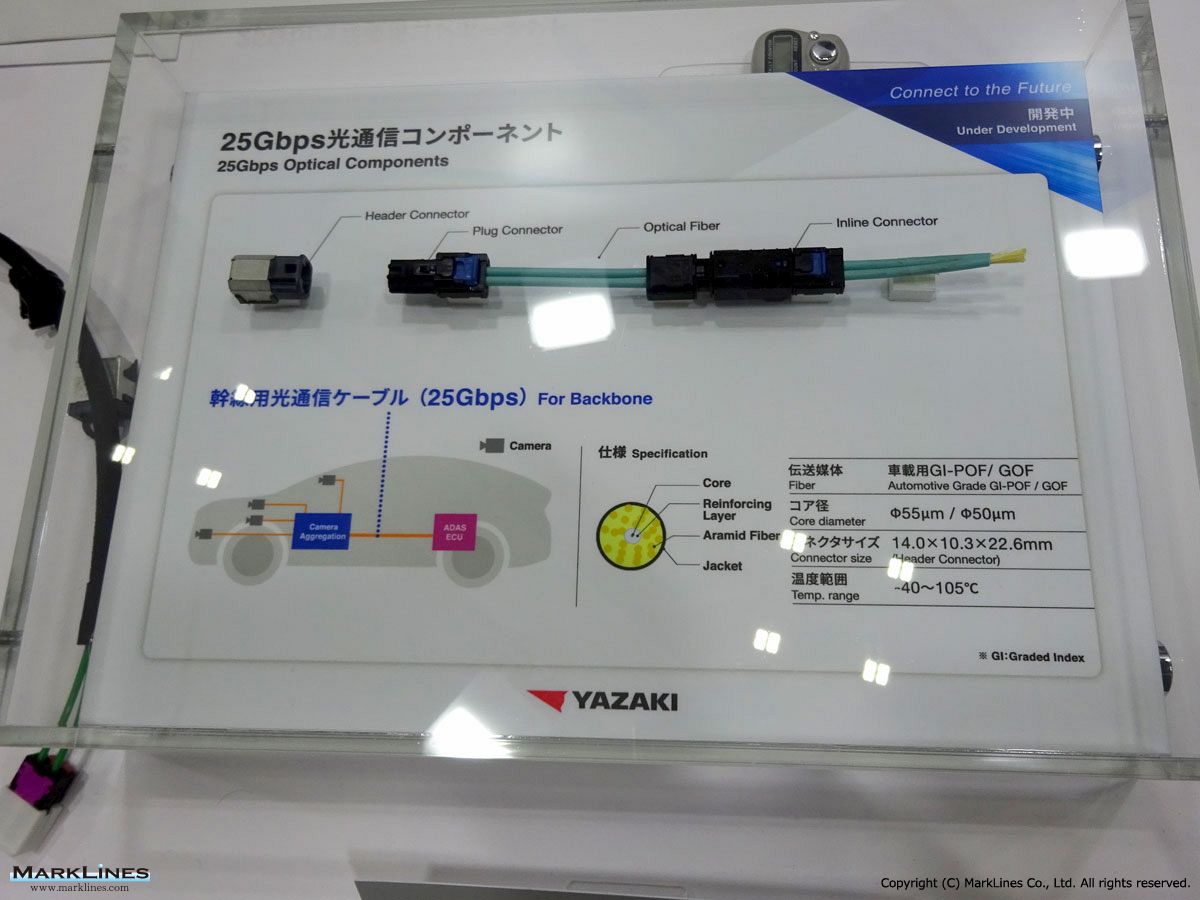
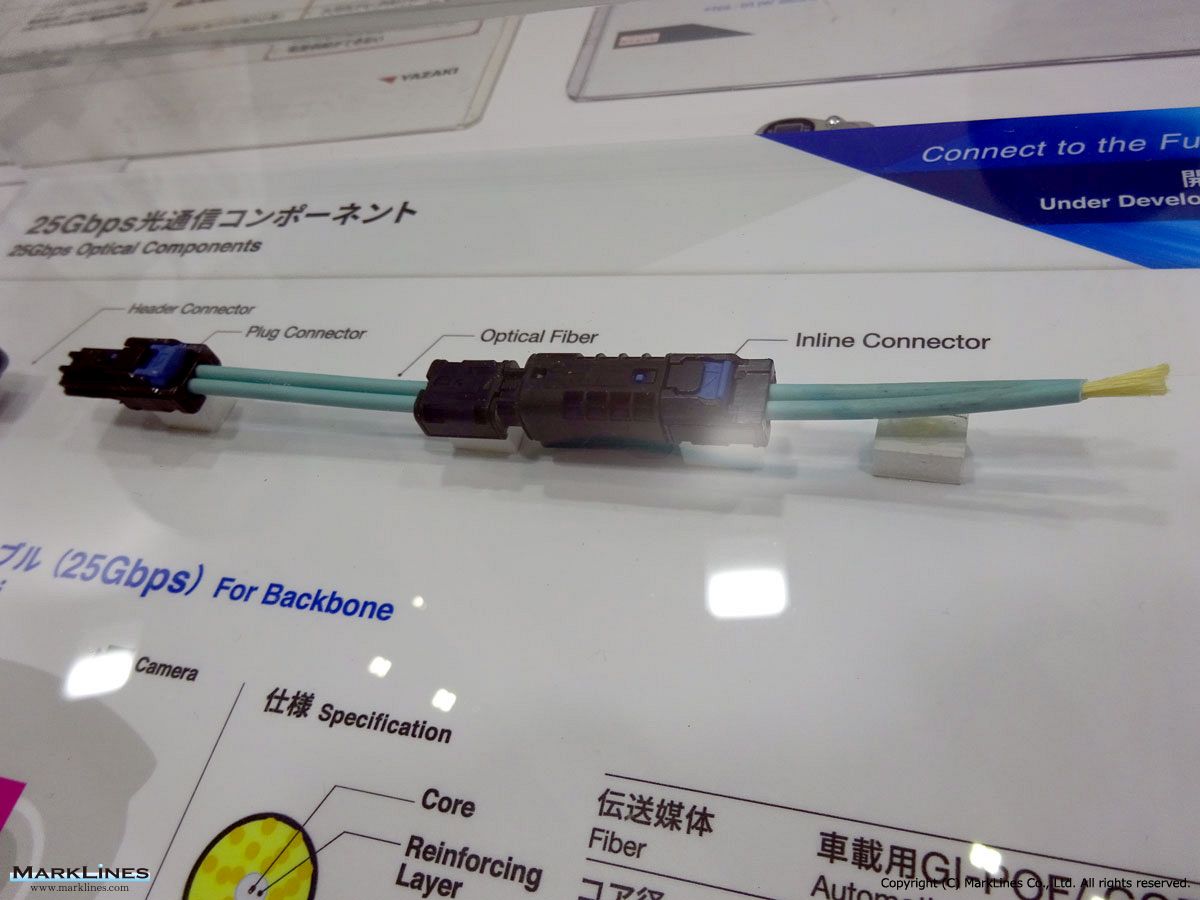
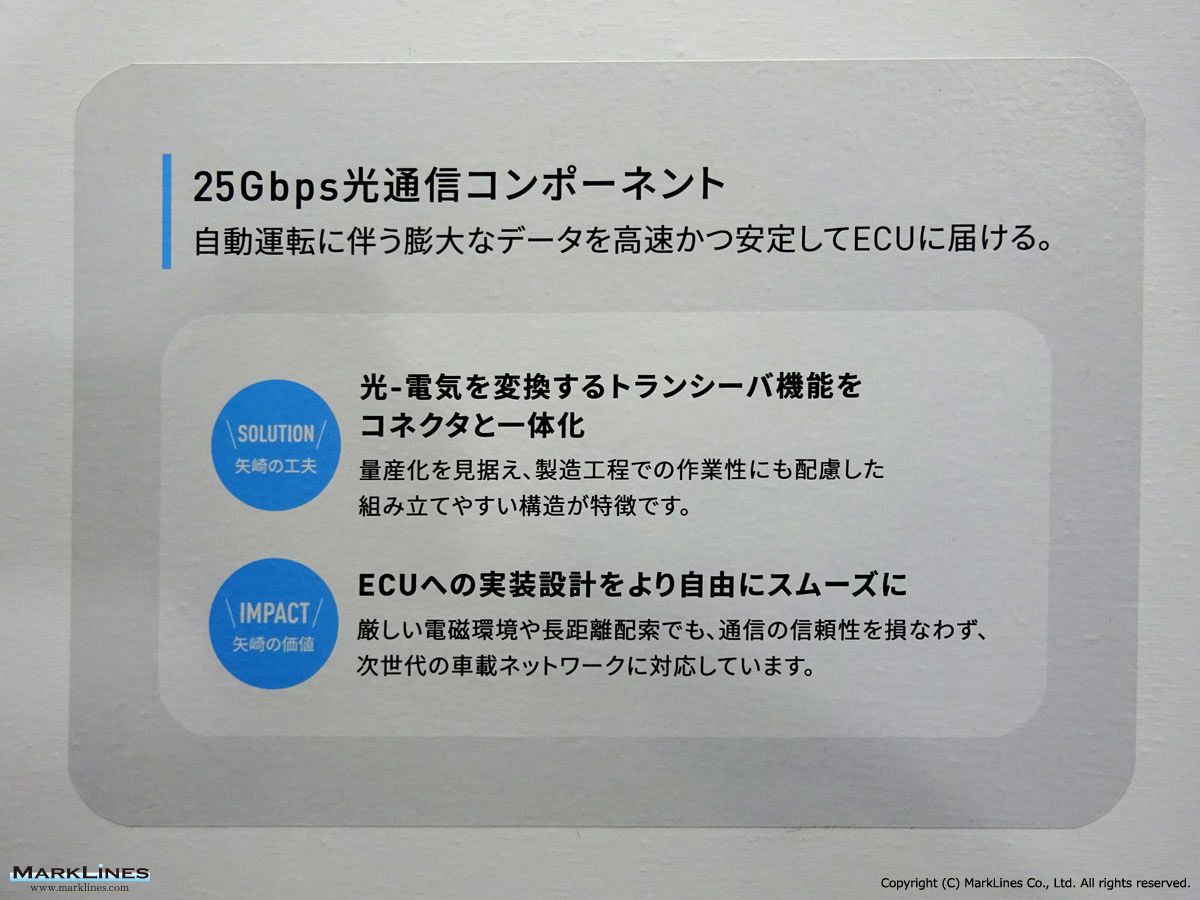
25Gbps Optical components
 2
2
Metal look paint / Cool-touch printing
 5
5
Surface-emitting inkjet decoration
 2
2
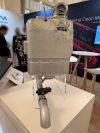
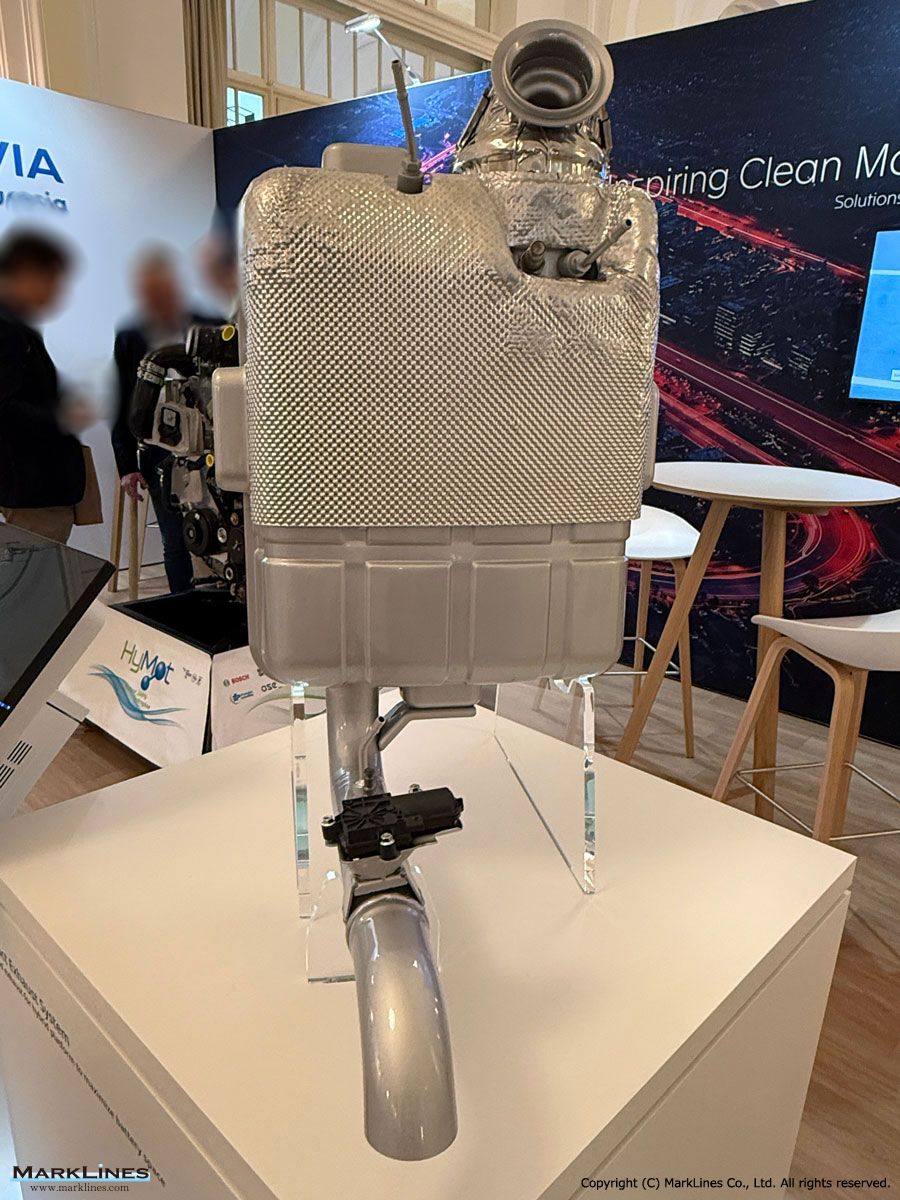
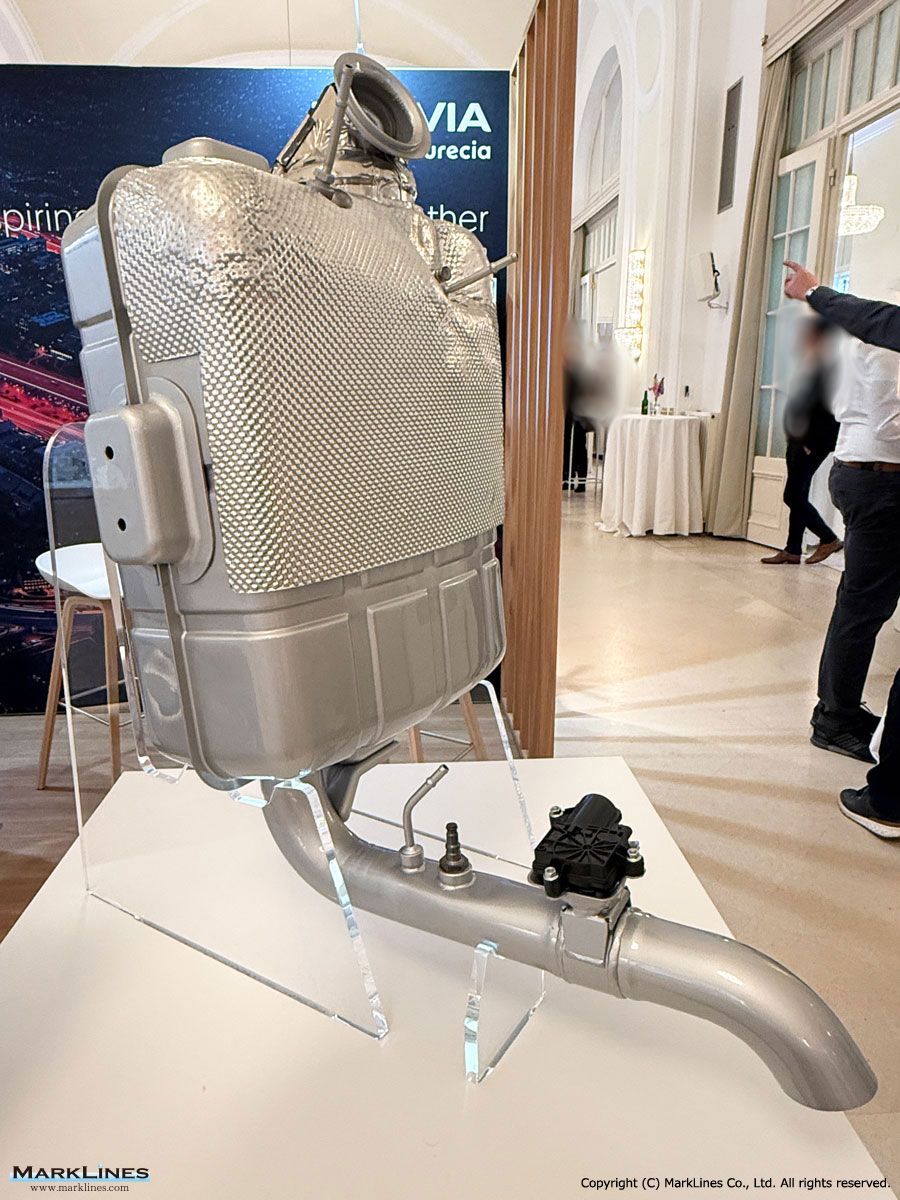
Compact Exhaust System
 1
1
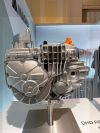
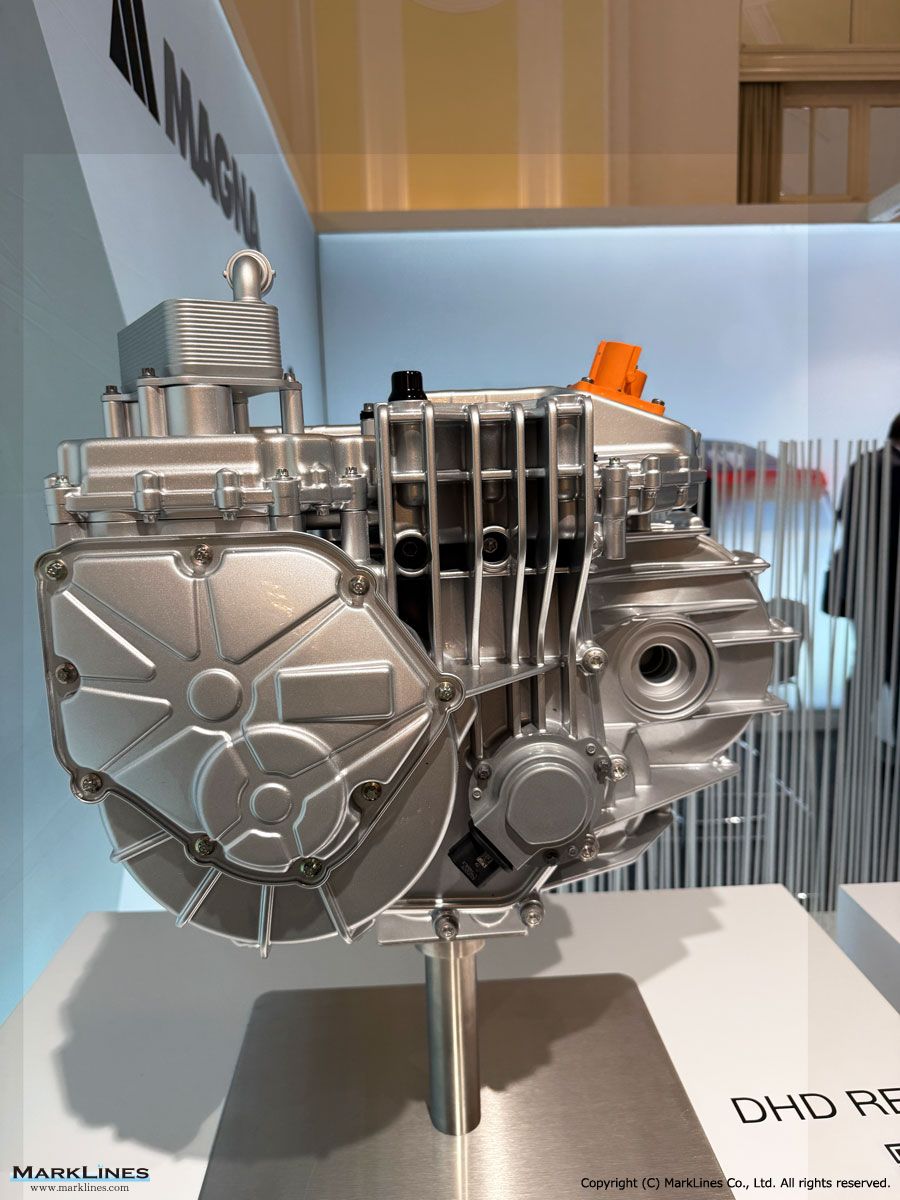
Magna DHD REX
 4
4
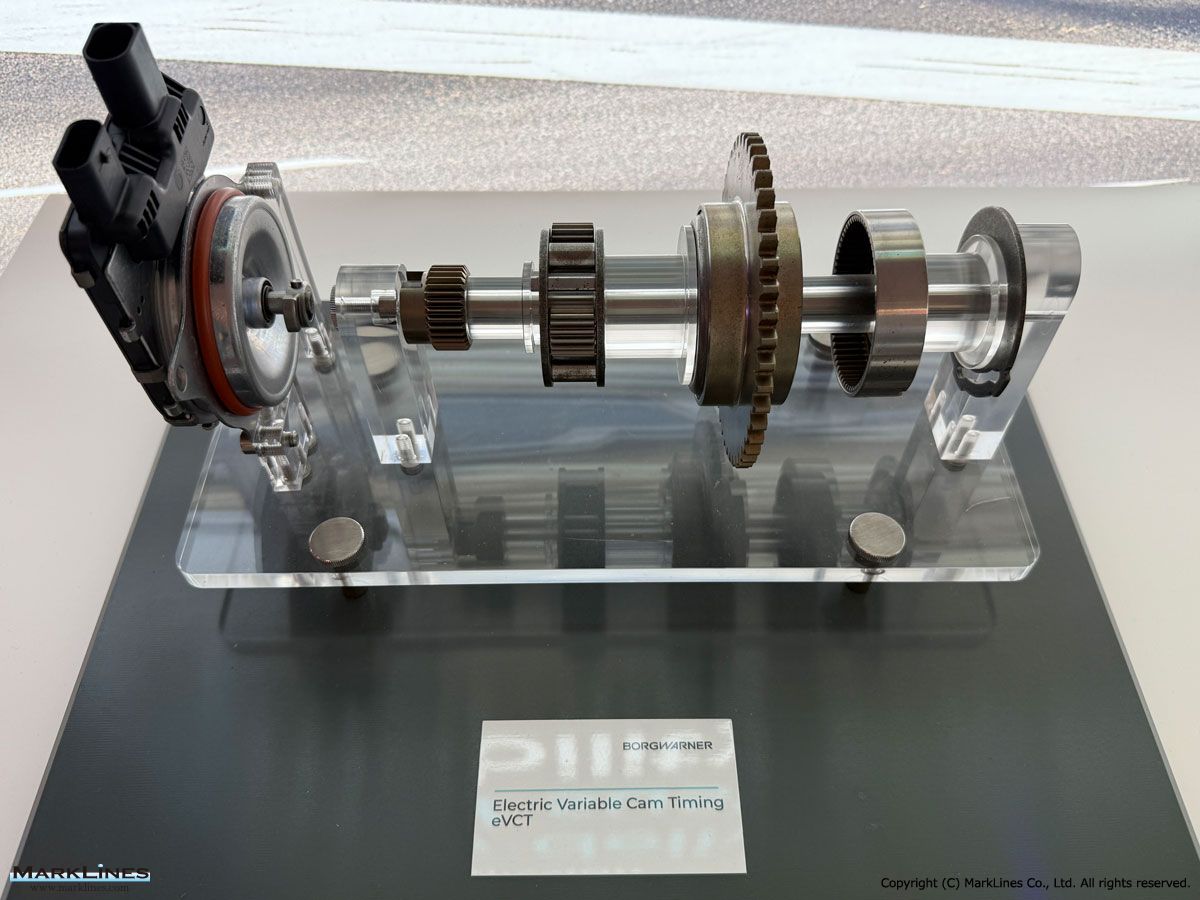
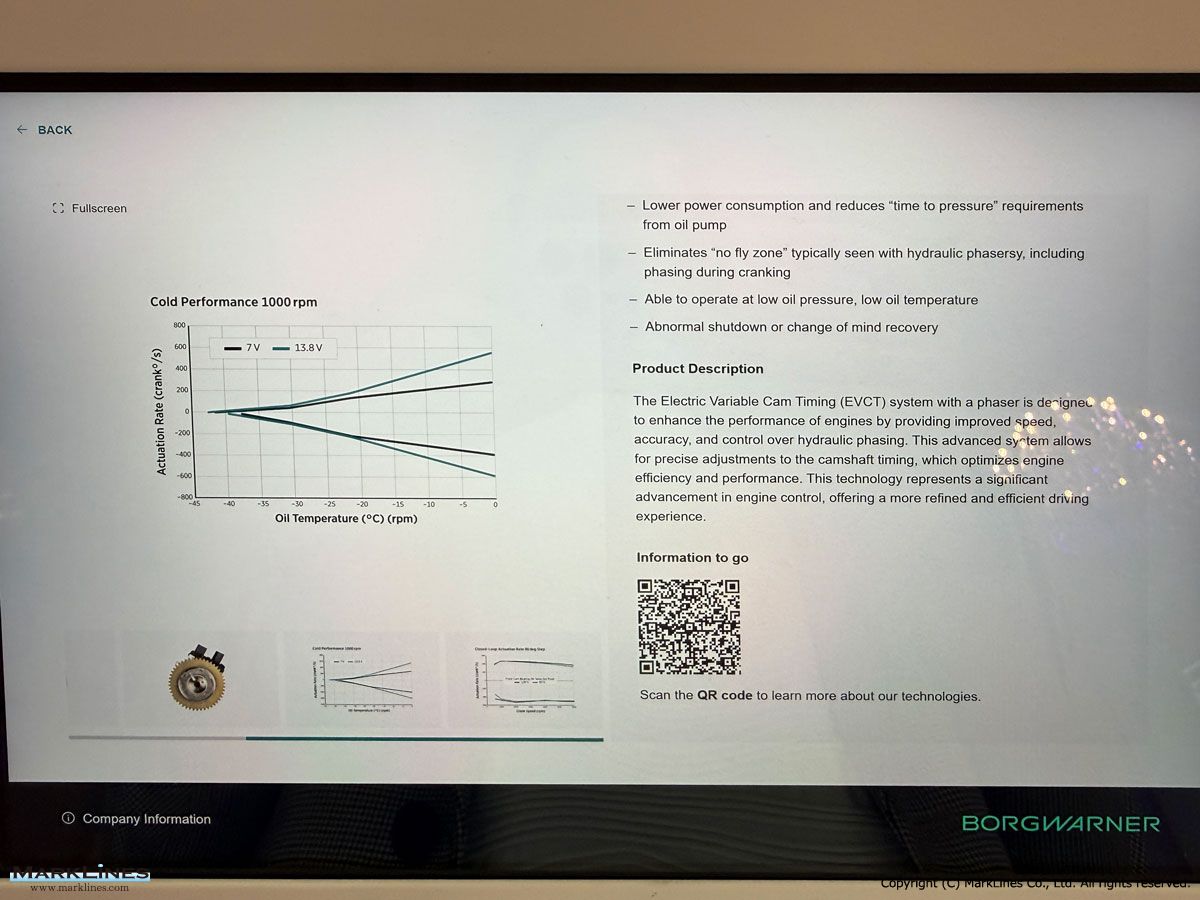
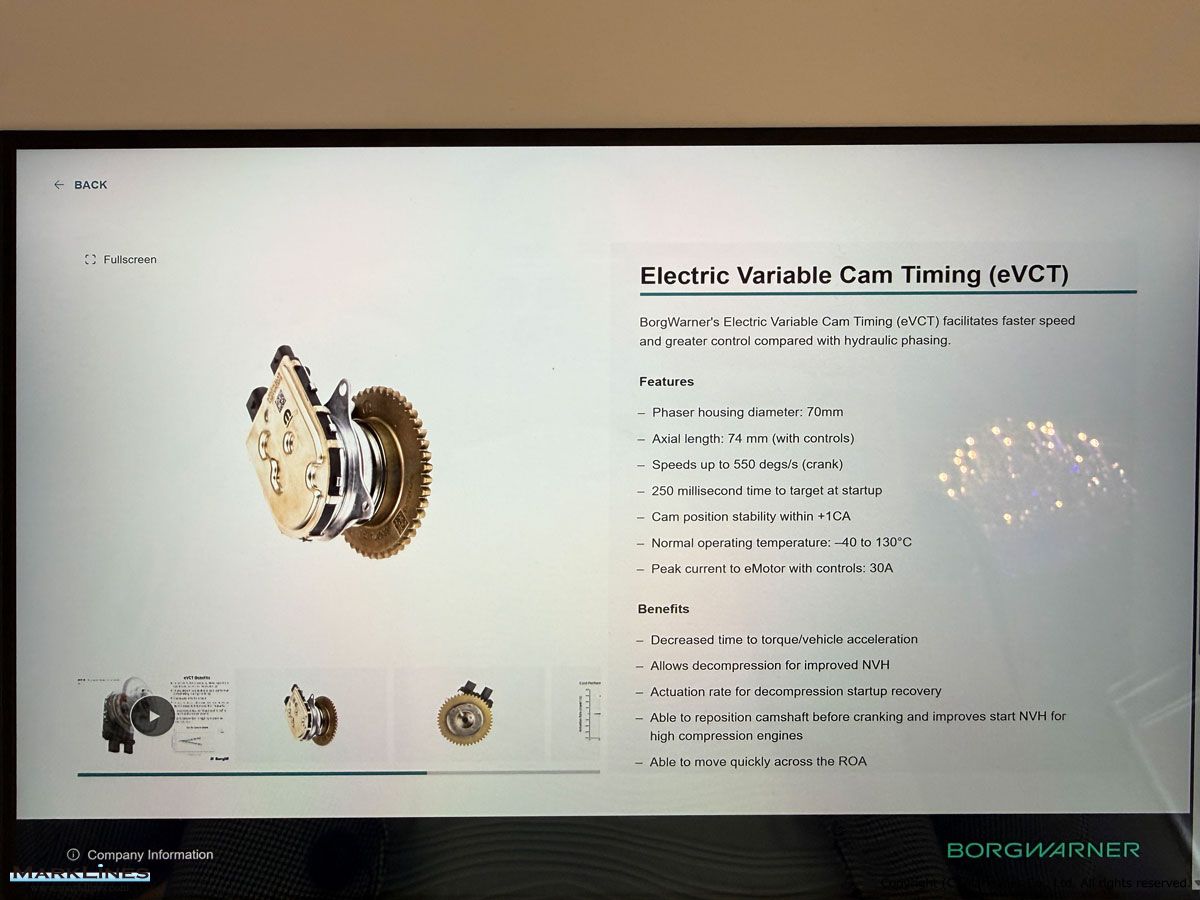
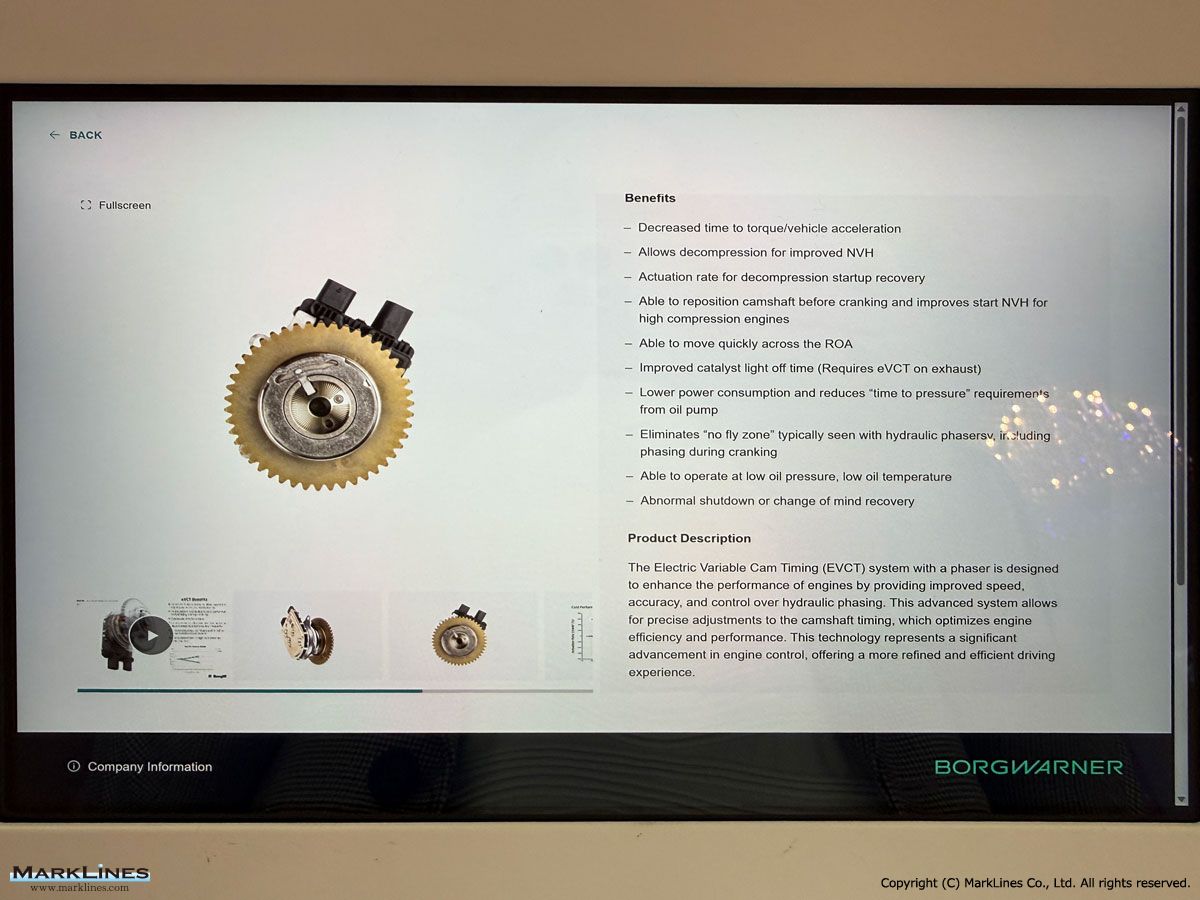
Electric Variable Cam Timing
 3
3
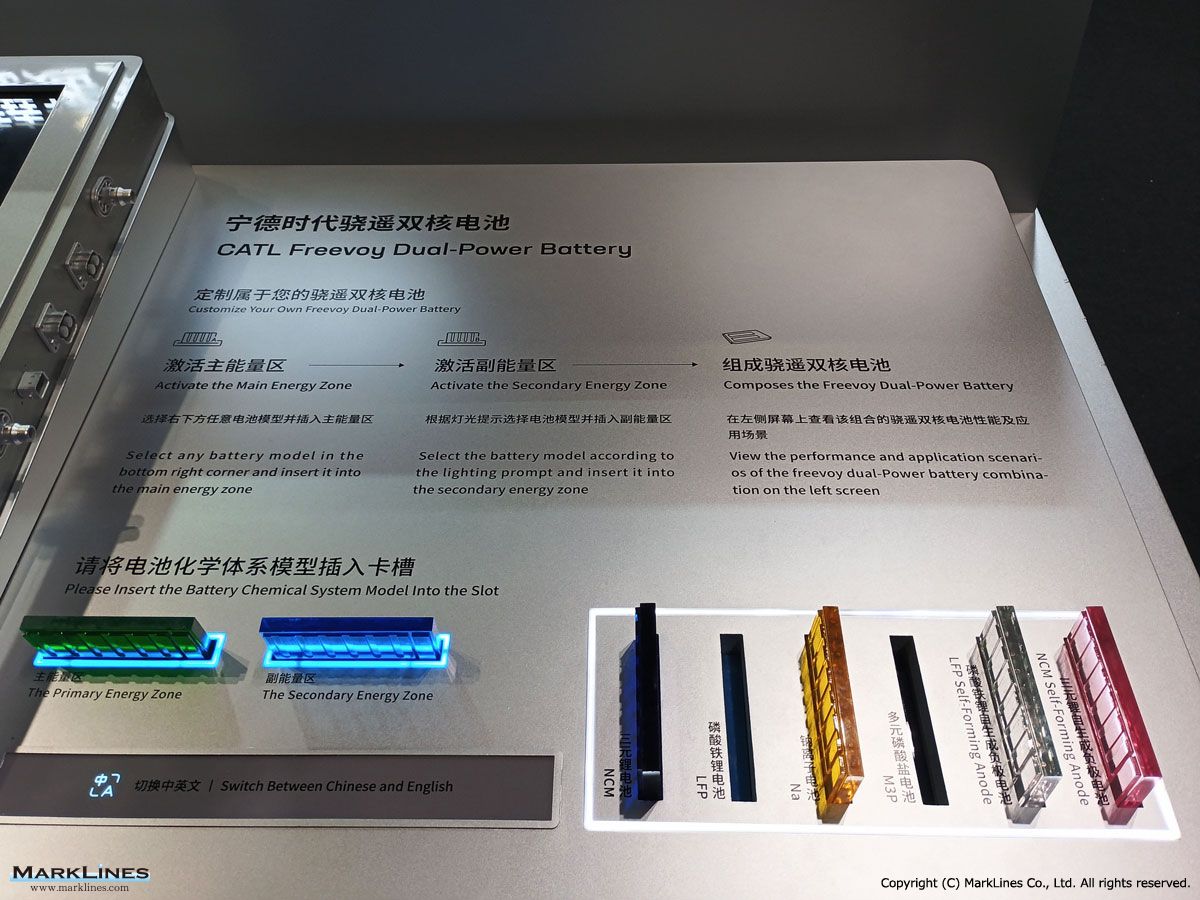
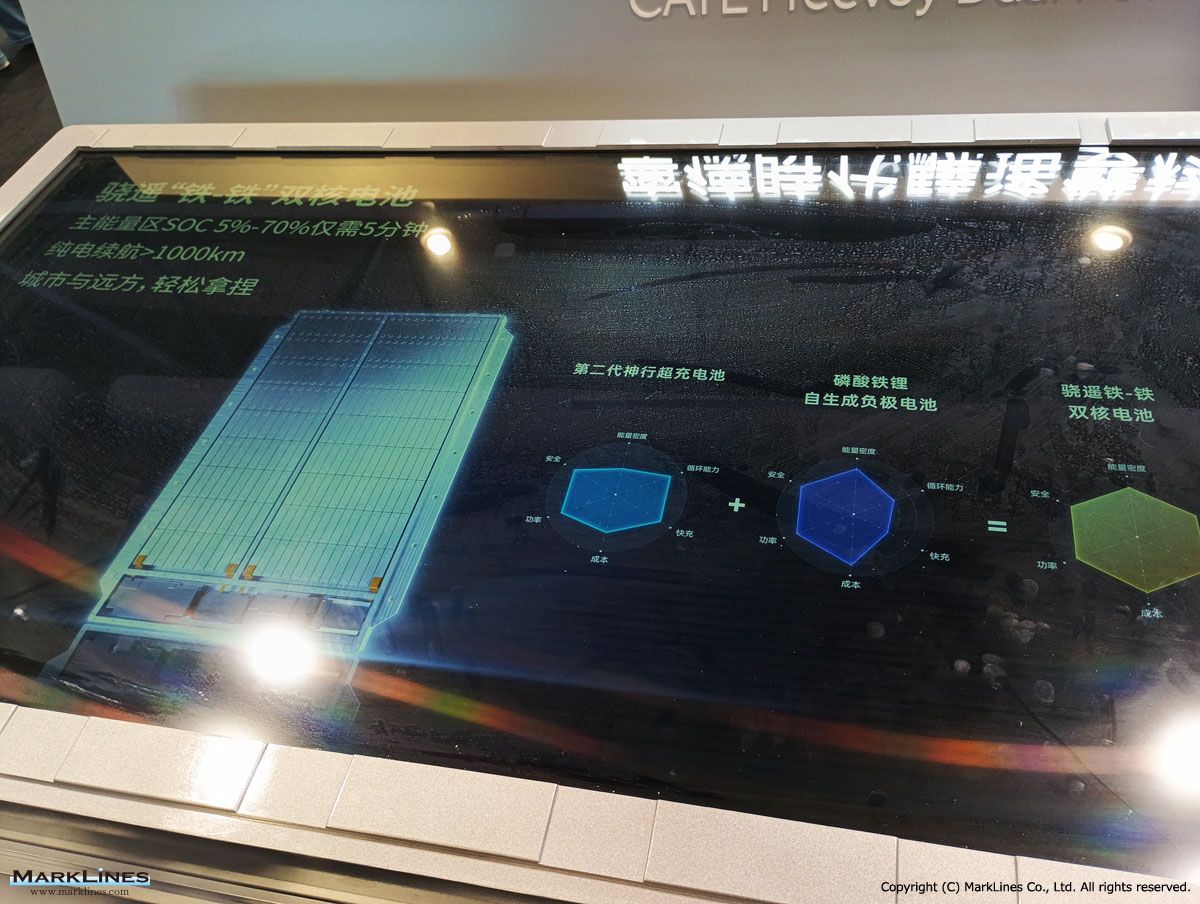
Freevoy Dual-Power Battery
 10
10
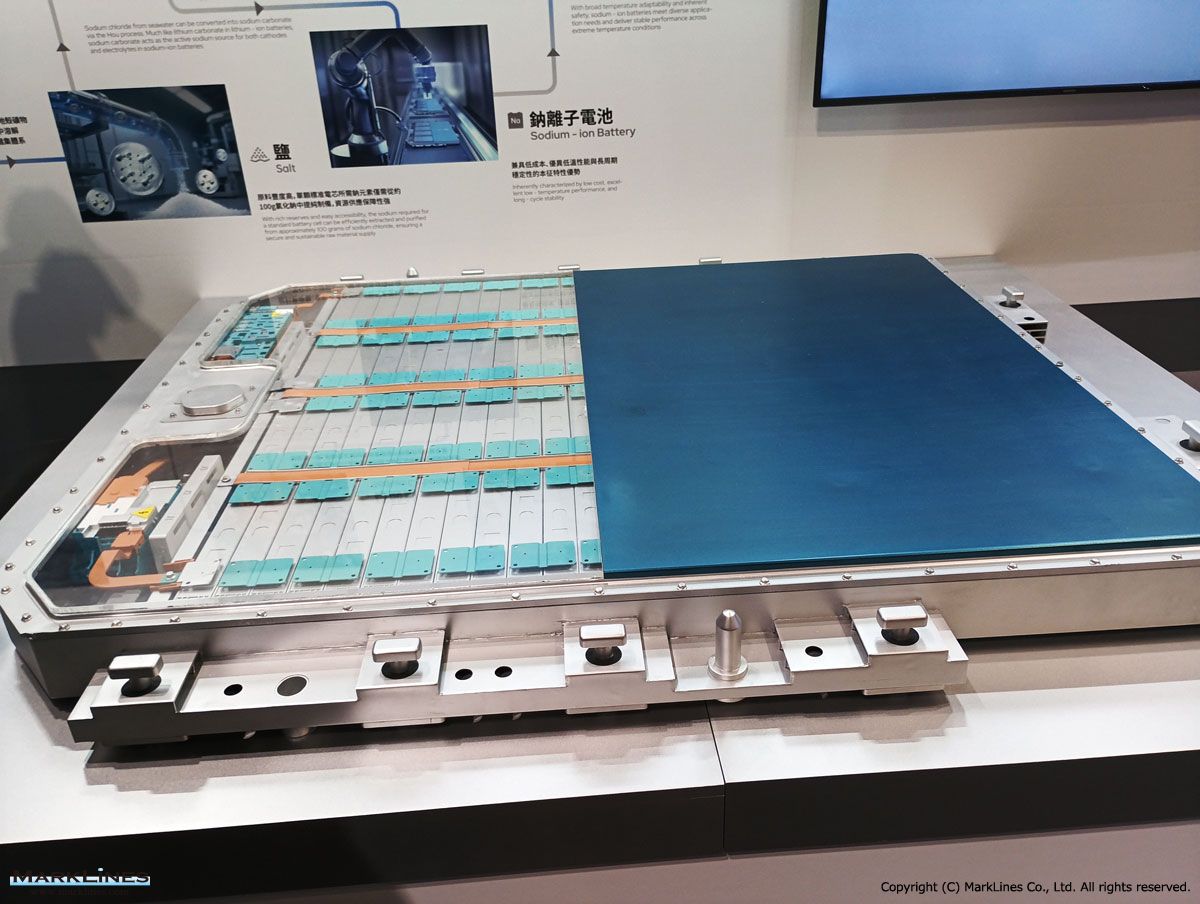
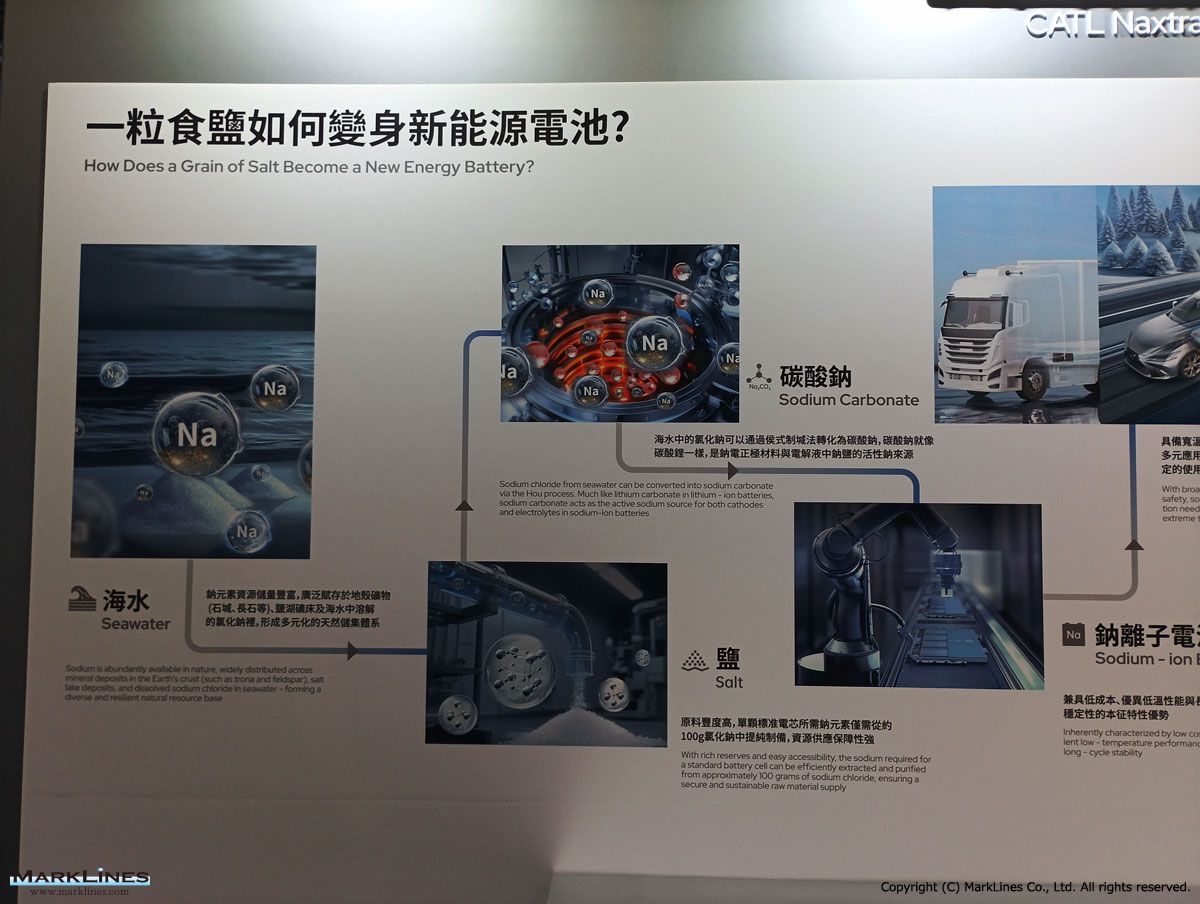
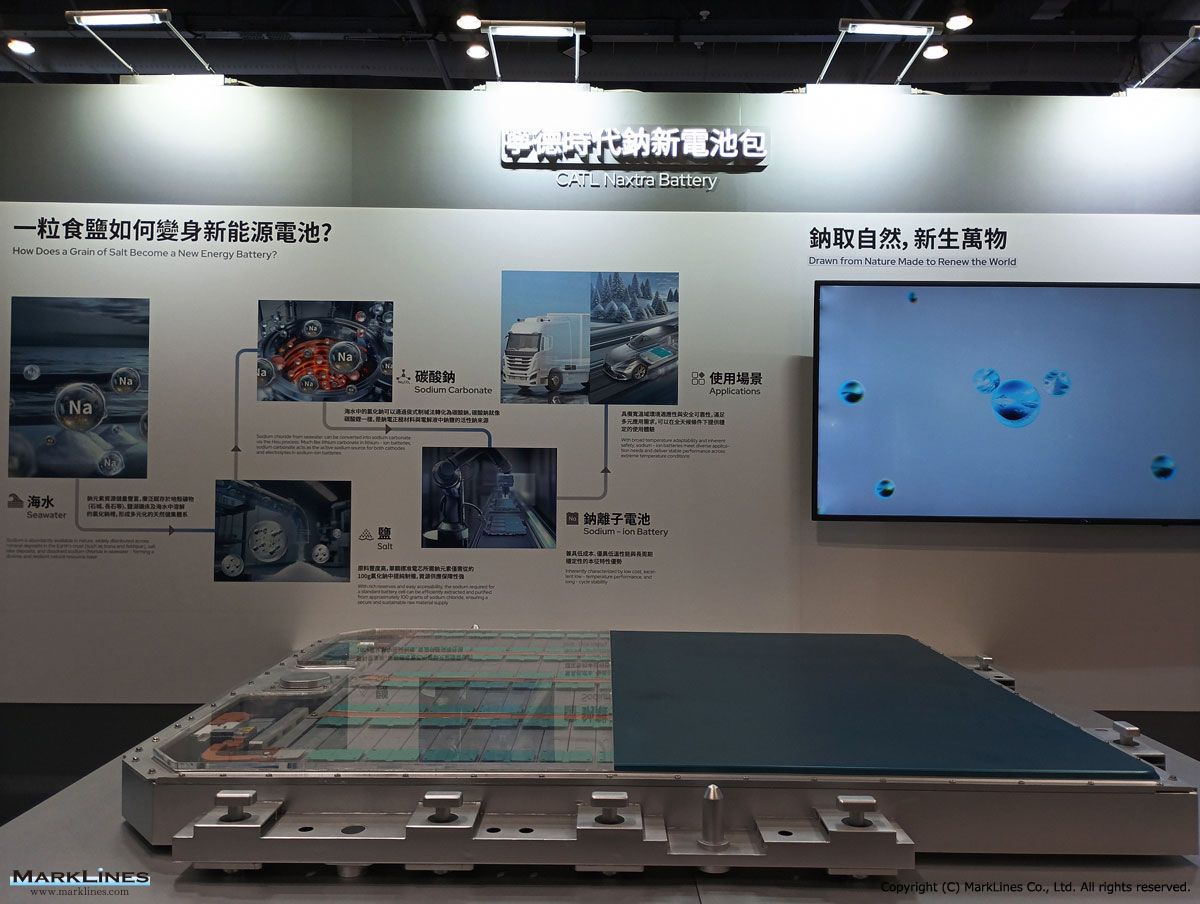
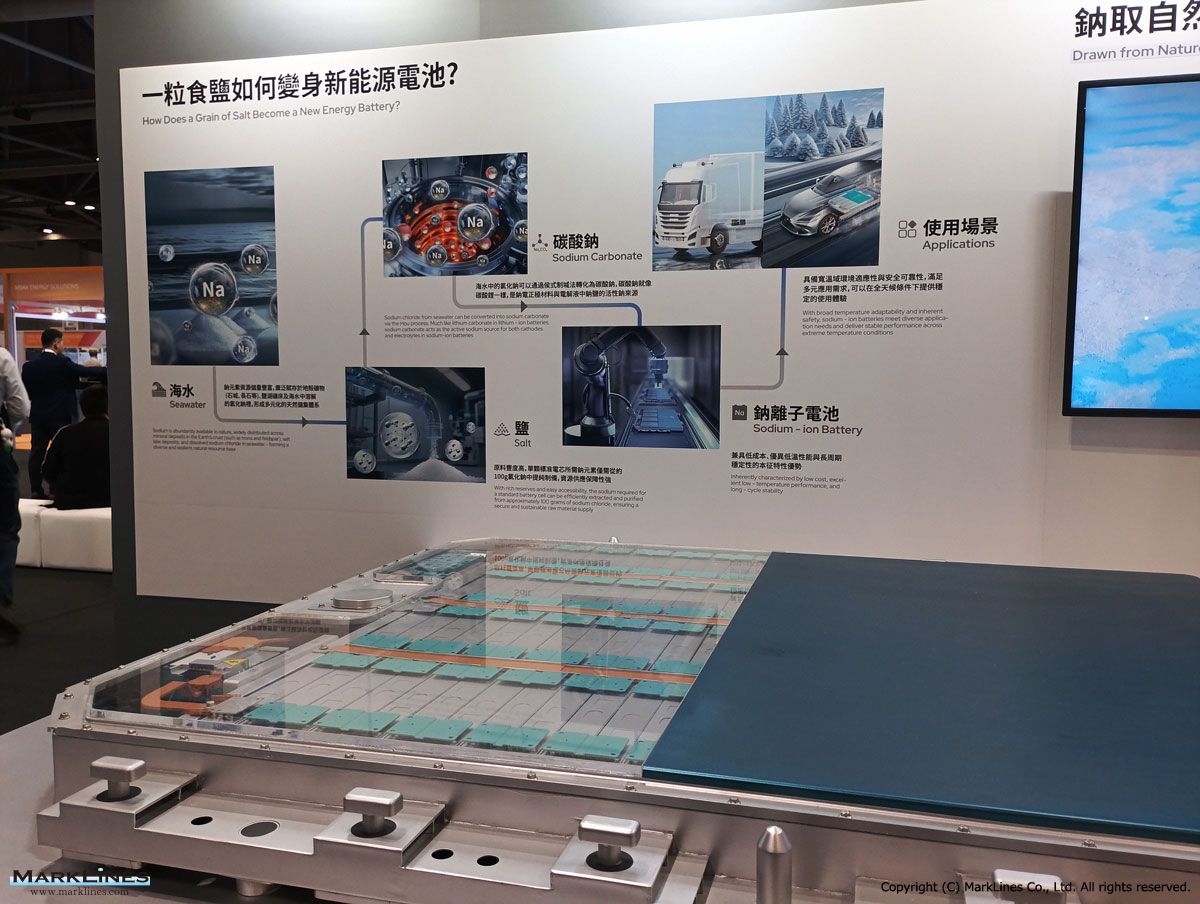
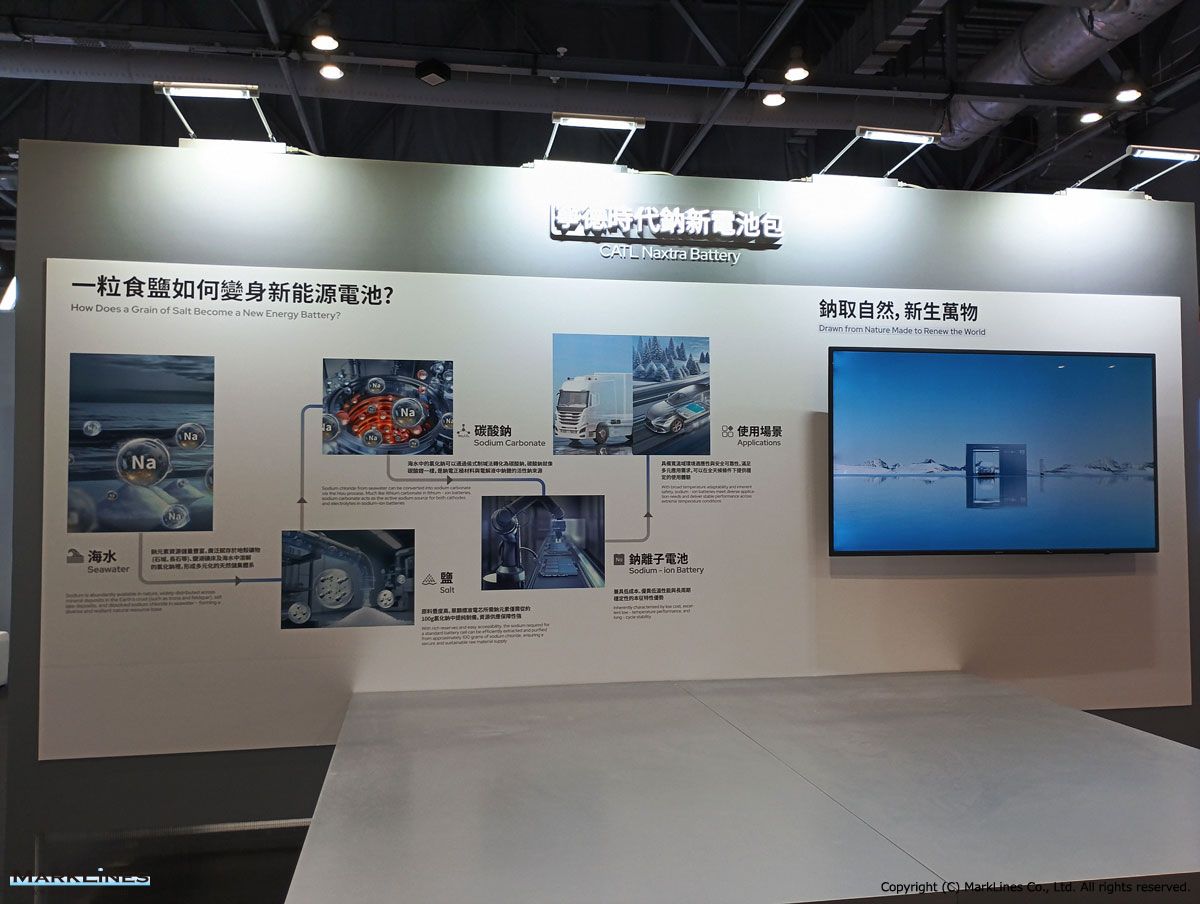
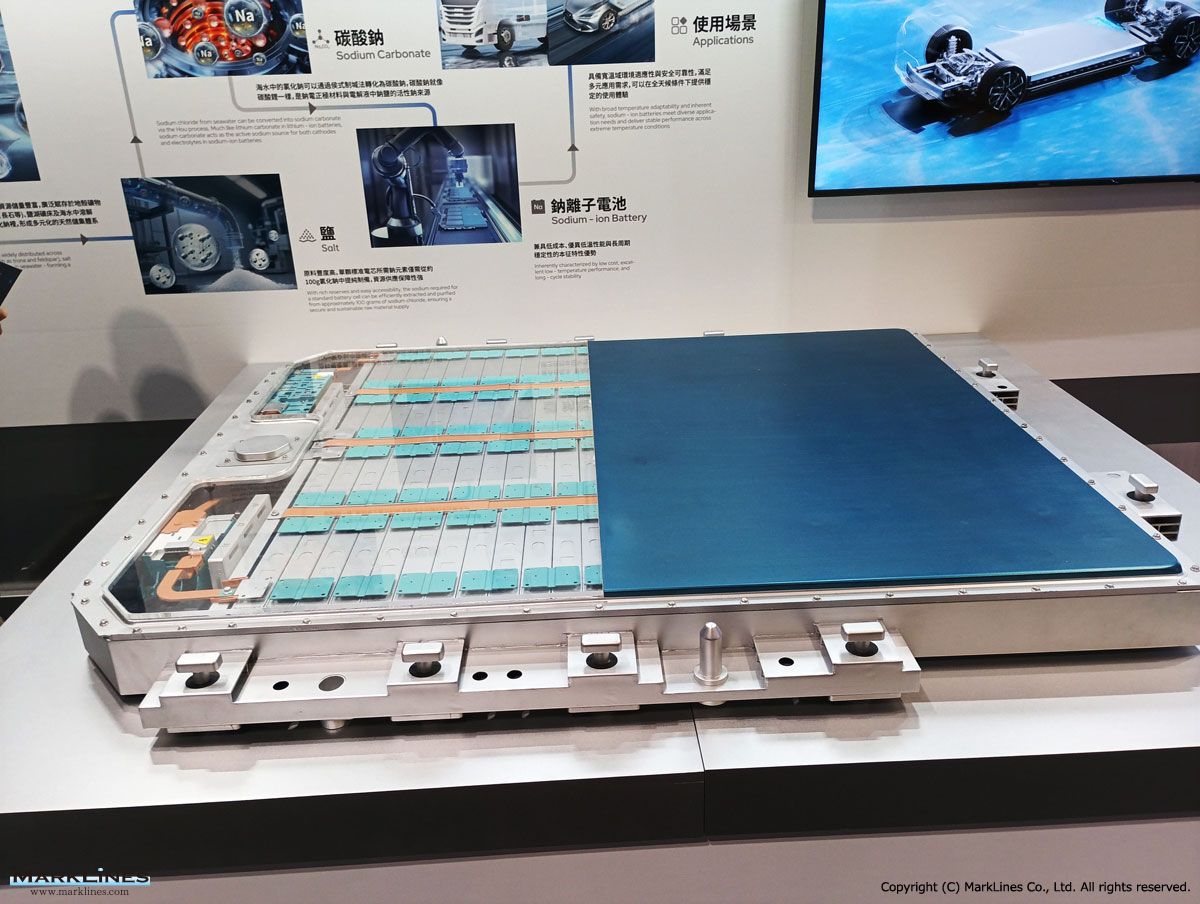
Sodium ion battery

Sort by :
1 - 19 of 19 results
UN Regulations
0 S2 WP.29/2025/122 2025/11/12 2026/6/4 Safety Belts Amendment to allow the use of talc as an alternative to dry quartz for seat belt dust resistance testing and to remove the reference to unique identifiers (UI). 3 Adopted proposalregardingUNregulation 35 01 1 WP.29/2025/82 2025/11/12 2026/6/4 Arrangement of Foot Controls Change of references for 3D H-point machines. 4 Adopted proposalregardingUNregulation 49 07 S3 WP.29/2025/94 2025/11/12 2...
Regulations Updated at: 2026/05/22
Trends on Harmonization of Vehicle Standards at UN
UN 26 External Projections UN 27 Warning Triangles UN 28 Audible Warning Devices UN 29 Cab of a Commercial Vehicle UN 30 Pneumatic Tyres (Passenger Vehicle) UN 31 Halogen Sealed Beam Headlamps UN 32 Rear-End Collision UN 33 Head-On Collision UN 34 Prevention of Fire Risks UN 35 Arrangement of Foot Controls UN 36 Construction of Public Service Vehicles UN 37 Filament Lamps UN 38 Rear Fog Lamps UN 39 Speedometer and Odome...
Regulations Updated at: 2026/02/20
Fuel Economy/CO2 - USA Federal (LDV 2027MY~)
it (threshold), the target is not calculated from equation C1, but has the constant value reported in Table C3, these constant values are established for model years 2028 to 2032 and after. Table C2: a and b coefficients for MDVs and WF applicability (equation C1) [7] Model Year Applicability (WF range) a (g/mile/lb) b (g/mile) 2027 All WF values 0.0348 268 2028 WF < 8,000 pounds 0.0339 270 2029 WF < 6,800 pounds 0.0310 246 2030 WF < 5,...
Regulations Updated at: 2025/09/24
Fuel Economy/CO2 - USA Federal
rs for electric, fuel cell, plug-in hybrid and gas vehicles for the model years after 2024 [34] , the up to date multipliers starting from model year 2021 are reported in the following table [34] . Requirements that plug-in electric vehicles have to comply with, in terms of all-electric driving range, to qualify for the use of the multipliers are detailed in section 86.1866-12 of the eCFR, which is also contained, in its updated form, at t...
Regulations Updated at: 2025/09/24
Fuel Economy/CO2 - EU
] is an additional implementing regulation to regulation 595/2009, which was published in August 2022, with minor amendments issued in October 2023. It sets provisions on accounting for the contribution of trailers to the CO2 emissions, fuel consumption, energy consumption and zero emission driving range of heavy-duty vehicles. The regulation applies to categories O3 and O4 vehicles (please refer to the EMLEG page EU Vehicle Categories for detail...
Regulations Updated at: 2025/08/27
Emission Standards - EU Euro 7-2
eginning of this Annex [2] . Requirements for PI and CI engines vehicles, including hybrids, vehicles operated with one fuel or bi-fuel vehicles and electric vehicles are all covered. Pure electric and hydrogen fuel cell vehicles require testing for determining electric energy consumption, electric range and engine power. A number of tests have to be carried out for hydrogen powered ICEs vehicles, these include the Type 1 emissions tests over the...
Regulations Updated at: 2025/08/07
EU – Euro 7-1
-agreement-regulations-101-120 5. UNECE, Regulation 154, Uniform provisions concerning the approval of light duty passenger and commercial vehicles with regards to criteria emissions, emissions of carbon dioxide and fuel consumption and/or the measurement of electric energy consumption and electric range (WLTP), 02 series of amendments, (Revision 1 Amendment 2), 15 March 2023 . Available from https://unece.org/transport/vehicle-regulations-wp29/s...
Regulations Updated at: 2025/08/07
Ricardo Worldwide Environmental Regulations EMLEG
s EMLEG? EMLEG is the comprehensive summary of the worldwide exhaust emissions regulations and compiled by Ricardo. The summary of the current and future regulations in 56 countries is presented with the explanation and comments by Ricardo's professional engineers. Furthermore, EMLEG covers a wide range of engines from small to maritime to stationary large-size, as well as related regulations on fuel quality, air environment and fuels. This info...
Regulations Updated at: 2025/04/24
Fuel Economy / CO2 - China
icable to the limits given in the tables, for vehicles which are any of the following: N1 category vans which are completely enclosed N1 category tankers All wheel drive vehicles. Fuel consumption limits Table A8: Fuel Consumption Limits (l/100 km) for Category N1 vehicles [19] Curb Mass (CM) Range (kg) Gasoline vehicles Diesel vehicles CM ≤ 750 5.5 5.0 750 < CM ≤ 865 5.8 5.2 865 < CM ≤ 980 6.1 5.5 980 < CM ≤ 1090 6.4 5.8 ...
Regulations Updated at: 2025/01/23
WLTP (Worldwide Harmonized Light vehicles Test Procedures)
TR No.15 (Global Technical Regulation No. 15) [4][5][6][11][13] 1. Purpose This Global Technical Regulation (GTR) aims at providing a worldwide harmonised method to determine the levels of gaseous and particulate emissions, CO2 emissions, fuel consumption, electric energy consumption and electric range from light-duty vehicles in a repeatable and reproducible manner designed to be representative of real world vehicle operation. The results will...
Regulations Updated at: 2024/12/13
France Passenger Cars & Light Duty Trucks
were dropping by around 1g/month, compared to 1g/year before the scheme [1]. Prior to 2008 the system of sales tax was based upon a nominal horsepower rating [3]. The bonus levels set for 2015 were very similar to the 2014 figures but with the removal of the 150 Euro subsidy in the 60 to 90 g CO2 range, with effect from 1 April 2015. The following table summarises the bonus and malus levels for 2015 but note that, as in 2014, there are also l...
Regulations Updated at: 2024/12/13
Emission Standards - California State Passenger Cars & Light Duty Trucks (LDV/MDV 2026MY~)
ZEV values and plug-in hybrid electric vehicles (PHEV) values it produces (these are ZEV credits, further details are given below). Requiments for ZEVs and PHEVs Zero emissions vehicles have to comply with a number of requirements, as detailed in the regulation [9] , these include a certification range value of 200 miles or higher, according to the relevant California Test procedure [3] and durability requirements. Flexibilities in the programm...
Regulations Updated at: 2024/12/13
Emission Standards - California State Passenger Cars & Light Duty Trucks
of passenger cars and light duty trucks in California, further details on how to calculate the required numbers are included in the regulation [17]. Manufacturers must produce ZEV credits of at least the minimum values shown in the following table, for each model year, as applicable. Note that arrangements exist for carrying forward additional ZEV and TZEV credits where the minimum requirements are exceeded. Where there is a deficit, this mu...
Regulations Updated at: 2024/12/13
Emission Standards - USA (Federal) Passenger Cars & Light Duty Trucks
in any proportions provided that the annually declining, fleet average NMOG + NOx limit is met. The maximum particulate limit for the bins is 3 mg/mile but that only applies to an annually increasing proportion of the fleet (see below). The SFTP based, particulate and NMOG + NOx standards are not arranged in bins but are phased in as a percentage of sales (see below). Several minor clarifications and corrections to the Tier 3 standards were inclu...
Regulations Updated at: 2024/12/13
Emission Standards - EU Passenger Cars and Light Duty Trucks
Annex I to regulation 2017/1151 [6]. Requirements for PI and CI engines vehicles, including hybrids, vehicles operated with one fuel or bi-fuel vehicles and electric vehicles are all covered. Pure electric and fuel cell vehicles require testing for determining electric energy consumption, electric range and engine power. A number of tests have to be carried out for hydrogen powered ICEs, these include the Type 1 emission tests over the WLTP test...
Regulations Updated at: 2024/12/13
Emission Standards - China Passenger Cars & Light Duty Trucks
values are split by category as follows: Category I: M1 vehicles that have no more than six seats (including the driver seat), with the maximum mass below 2500 kg Category II: all other vehicles that do not belong to category I. The data for category II vehicles is further split by Test Mass (TM) range, where this is the sum of the actual mass of the test vehicle, 25 kg and the mass representing the vehicle load. This standard contains limits f...
Regulations Updated at: 2024/12/13
Fuel Economy/CO2 - India
tandards are calculated starting from the linear equations in Tables 3 and 4, for the relevant vehicle category; in the tables X is the GVW in tonnes and Y is the initial fuel consumption target (l/100 km). The final fuel consumption target, for the relevant vehicle of the selected category and GVW range, is calculated by multiplying the calculated Y value by [12]: 1.05 for vehicleswith GVW ranging between 3.5 t and 7.5 t 1 for vehicles with GV...
Regulations Updated at: 2024/12/13
Fuel Economy/CO2 - Canada
it is determined as the lower of the two values described in the followingpoints: (a) the contribution of plug-in hybrid electric vehicles to the actualperformance of a company’s fleet with respect to zero-emission vehicles,calculated using a formula taking into account the all-electric driving rangeof the vehicles (as reported in section 30.13 (1) of the regulation [4]). Themethod to determine the all-electric driving range is reported inthe...
Regulations Updated at: 2024/12/13
UN regulations - Fuel Economy/CO2
endum Emission of Carbon Dioxide and Fuel Consumption (Passenger Car) Error correction. 01 corrigendum Error correction. 01 Adjustment with EC Directive. Apr.2010 Agreement regarding UN regulation 101 00 S8 Emission of Carbon Dioxide and Fuel Consumption (Passenger Car) -Definition of "OVC range" shall be added. -Petrol E5 and diesel fuel B5 shall be added to fuels for reference fuel test. The final draft of UN regulation 101 S9 Emi...
Regulations Updated at: 2019/08/29























 Japan
Japan +81-3-4241-3907

 USA
USA Mexico
 Germany
 China (Shanghai)
 Thailand
 India
India
 Free Trial
 Online Demo