





 login








Sensata: Multi-pathway approach for expansion, focus on environmental regulations and electrification
-

-
 Exclusive Interview
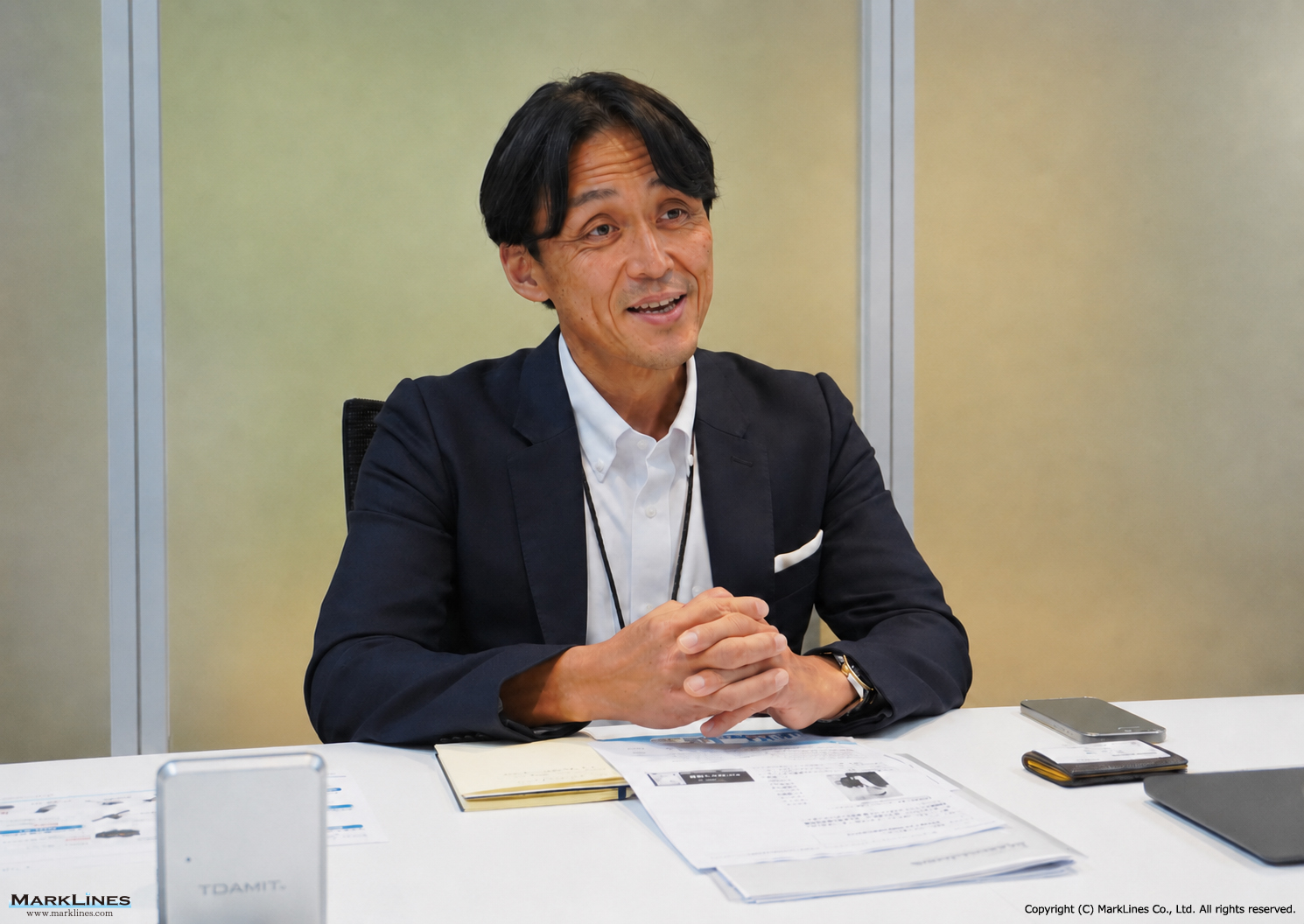
Sensata Technologies Japan Limited
Mr. Tomoyuki Okubo, Japan & Korea Country Manager

About This Interview
Sensata Technologies, Inc. (Sensata) is a global manufacturer that supplies pressure and temperature sensors and components for controlling and protecting electrical circuits to a wide range of sectors, including automobiles, commercial vehicles and construction equipment, aerospace, and industrial equipment. Sensata Technologies Japan Ltd. (Sensata Technologies Japan), the Japanese subsidiary, focuses its business on the automotive sector. In addition to sales to Japanese OEMs and Tier 1 suppliers, almost all non-manufacturing functions, including product design, prototyping and evaluation, quality control, and process design, are located in Japan.
The environment surrounding electrification in the global automotive market is undergoing significant changes. Following the initial expectation of a rapid shift to electric vehicles (BEVs) driven by national policies and OEM strategies, regional differences in the rate of adoption became apparent due to factors such as subsidies, charging infrastructure, and consumer preference. Currently, the rise in crude oil prices and supply concerns stemming from the crisis surrounding the Strait of Hormuz are once again accelerating the shift to electrified vehicles globally. Amidst these changes, Sensata Technologies Japan is not concentrating resources on a single power source, but rather taking a multipathway approach to the market where internal combustion engine (ICE) vehicles, hybrid electric vehicles (HEV), and battery electric vehicles (BEV) coexist. While advancing the development and proposal of electrification products, the company is also strengthening the stable supply of pressure and temperature sensors for ICE vehicles to meet increasingly stringent exhaust gas regulations. In the last three years, the company has seen an expansion in its environmental regulation-related sensor business, primarily for Japanese customers. Five years after taking office in 2021, we spoke with Mr. Tomoyuki Okubo, the Japan Country Manager, about his response to the changing market and his future growth strategy.
This exclusive interview is for paid members only.
If you register as a free member, you can read the rest of this article for a limited time.
In addition, you can also enjoy the following content for free:


Question List
-
About This Interview
-
Q1What role does the Japanese subsidiary play in Sensata's global operations?
-
Q2When you took your position in 2021, you said you would expand the technology and personnel used for sensors in ICE (internal combustion engines) to electrification and other areas. Has anything changed over the past five years?
-
Q3What technologies are being evaluated in terms of compliance with environmental regulations?
-
Q4The Japanese subsidiary is an organization of about 100 people. What can you handle in Japan?
-
Q5What advantages does being a global company offer in supporting the overseas expansion of Japanese OEMs?
-
Q6As the proportion of HEVs increases, how will the business opportunities per vehicle change?
-
Q7Sensata is actively promoting FaultBreak Contactors at recent trade shows such as the JSAE Automotive Engineering Exposition. What kind of proposals are you offering for electrification?
-
Q8How will force sensors and gas sensors be positioned in your future strategy as new areas that leverage the sensing technology you have cultivated over many years in pressure and temperature sensors?
-
Q9What areas will the Japanese subsidiary focus on most in the next 3 to 5 years?
-
Editor's note
News Related to Sensata Technologies Japan Limited
-
Sensata Technologies introduces ePM electrostatic particulate matter sensor
-
Sensata announces Brake Force sensors for electromechanical braking systems of EVs
-
Sensata Technologies introduces OmniNode, high-voltage power distribution solution for commercial vehicles
-
Sensata Technologies launches R290 Pressure + Temperature sensor
 Japan
 +81-3-4241-3907

 USA
 Mexico
 Germany
 China (Shanghai)
 Thailand
 India

 free for 1 week
 Online Demo