




 login
login








Stellantis turns diversity of 14 brands into AI competitiveness across engineering, manufacturing, and quality
-

-
 Car IT Symposium 2026
Stellantis N.V.
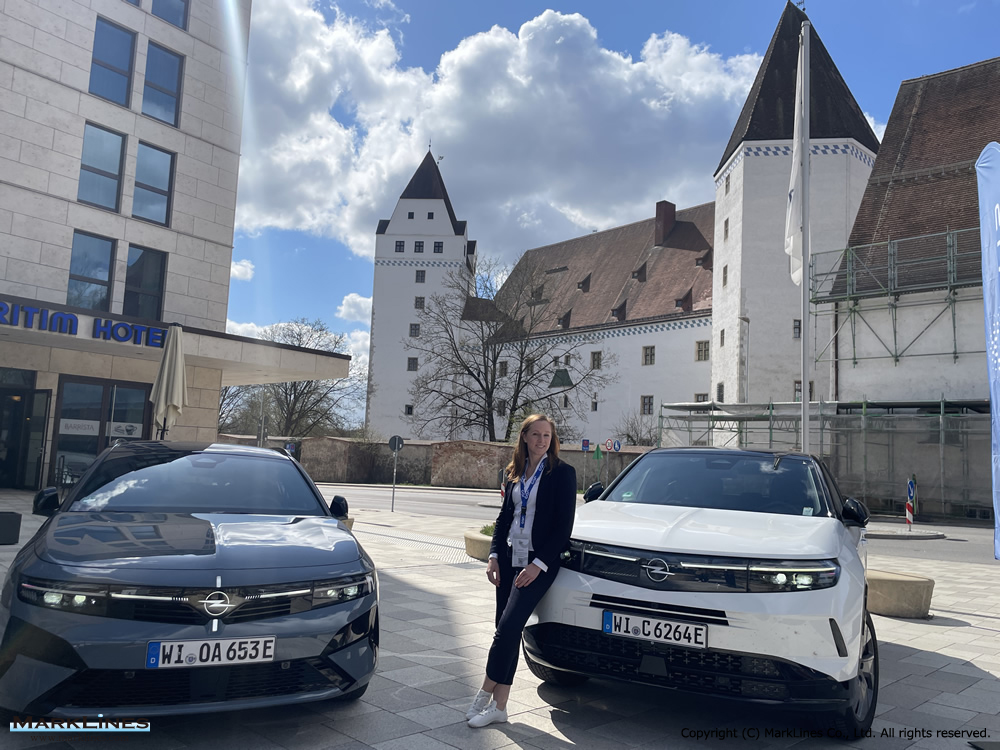
AI Leader, Tech Center Central Europe Ms. Sabrina Reif
About This Interview
Stellantis is integrating AI not only into its vehicles, but across the entire value chain, including engineering, manufacturing and quality management. Leveraging the rich diversity of data and customer touchpoints that come with being a 14-brand group, the company is advancing virtual development in the early design phase, structuring customer feedback, and enhancing the use of internal knowledge.
At Car IT Symposium 2026, which took place in Ingolstadt, Germany from March 26 to 27, 2026, MarkLines interviewed with Sabrina Reif, AI Leader at Stellantis Tech Center Central Europe, about the core of the company's AI strategy and how it is being implemented in day-to-day development work. Ms. Reif holds a degree in Systems Engineering and has a background as a mechatronics engineer. She has held key positions in vehicle development, technical integration and product development at Opel, GM, PSA and Stellantis. She is currently leading the implementation of AI in Product Development and Tech for Central Europe and driving its deployment into engineering operations.
This exclusive interview is for paid members only.
If you register as a free member, you can read the rest of this article for a limited time.
In addition, you can also enjoy the following content for free:


Question List
-
About This Interview
-
Q1Compared with other OEMs, where do you see Stellantis' key differentiators in AI? Especially with 14 brands, how does your AI strategy reflect this unique scale?
-
Q2How do you think about the balance between working with external partners like Mistral AI and developing AI in-house? How do you decide where to draw the line on internal development?
-
Q3Which stages of the vehicle development process are benefiting most from AI today? In particular, how is the Virtual Engineering Workbench (VEW) contributing?
-
Q4How do you translate customer experience data and feedback into actual AI applications?
-
Q5Transitioning AI from a vision to a tool that engineers use every day is a significant transformation. What has been the biggest challenge in making this transition work in practice?
-
Q6Looking ahead, how do you expect AI integration in vehicle development to evolve? How will engineers' daily work change over the next few years?
-
Q7Finally, as AI continues to advance, how do you see the role of the engineer evolving?
-
Editorial Note
 Japan
Japan +81-3-4241-3907

 USA
USA Mexico
 Germany
 China (Shanghai)
 Thailand
 India
India
 free for 1 week
 Online Demo